
Coffee Knowledge
Robusta vs. Arabica: What's the Difference?
Comparing the world's two most important coffee species
Nearly all coffee in the world belongs to one of two species: Coffea arabica or Coffea canephora, better known as Robusta. Both come from the same plant family, but differ so much in how they're grown, how they taste and how much caffeine they contain that they can feel like two entirely different drinks. Understanding this difference is the key to understanding why Vietnamese coffee tastes so different from an Italian espresso.
Origin and cultivation
Arabica plants prefer cooler altitudes between 600 and 2000 metres, often on steep slopes in Central America, East Africa or Colombia. They're sensitive to pests and disease, need a lot of care and give comparatively low yields, which makes Arabica more demanding to grow and, on average, more expensive.
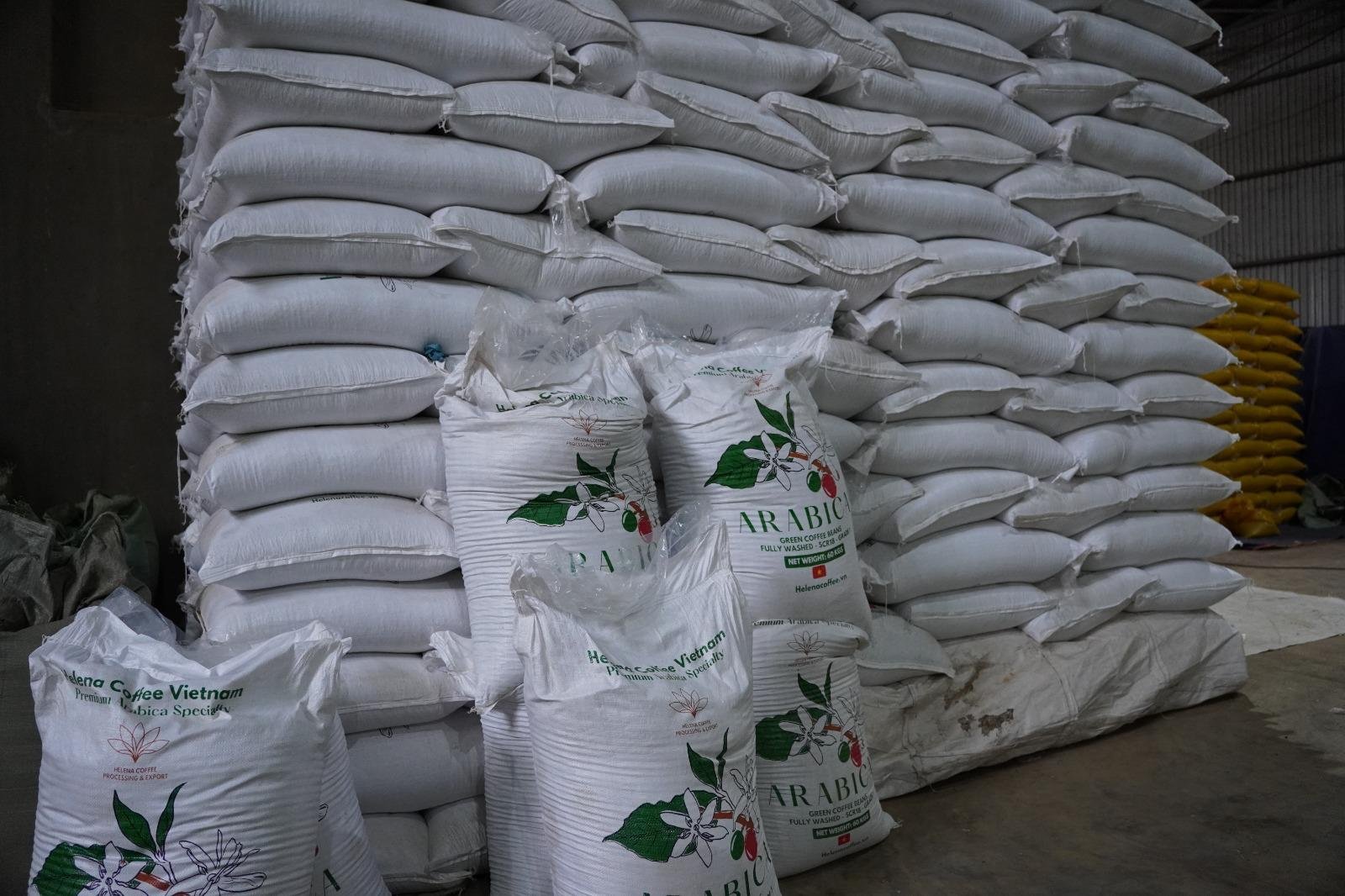
Robusta is the opposite: hardy, as the name suggests. The plant thrives even in hot, humid lowlands between 200 and 800 metres, resists pests better and delivers significantly higher yields. Those are exactly the conditions found in Vietnam's Central Highlands, in Đắk Lắk province, where VietCoff sources its coffee too. Vietnam is today the world's largest Robusta producer and, after Brazil, the second-largest coffee producer overall.
Our partner in Vietnam
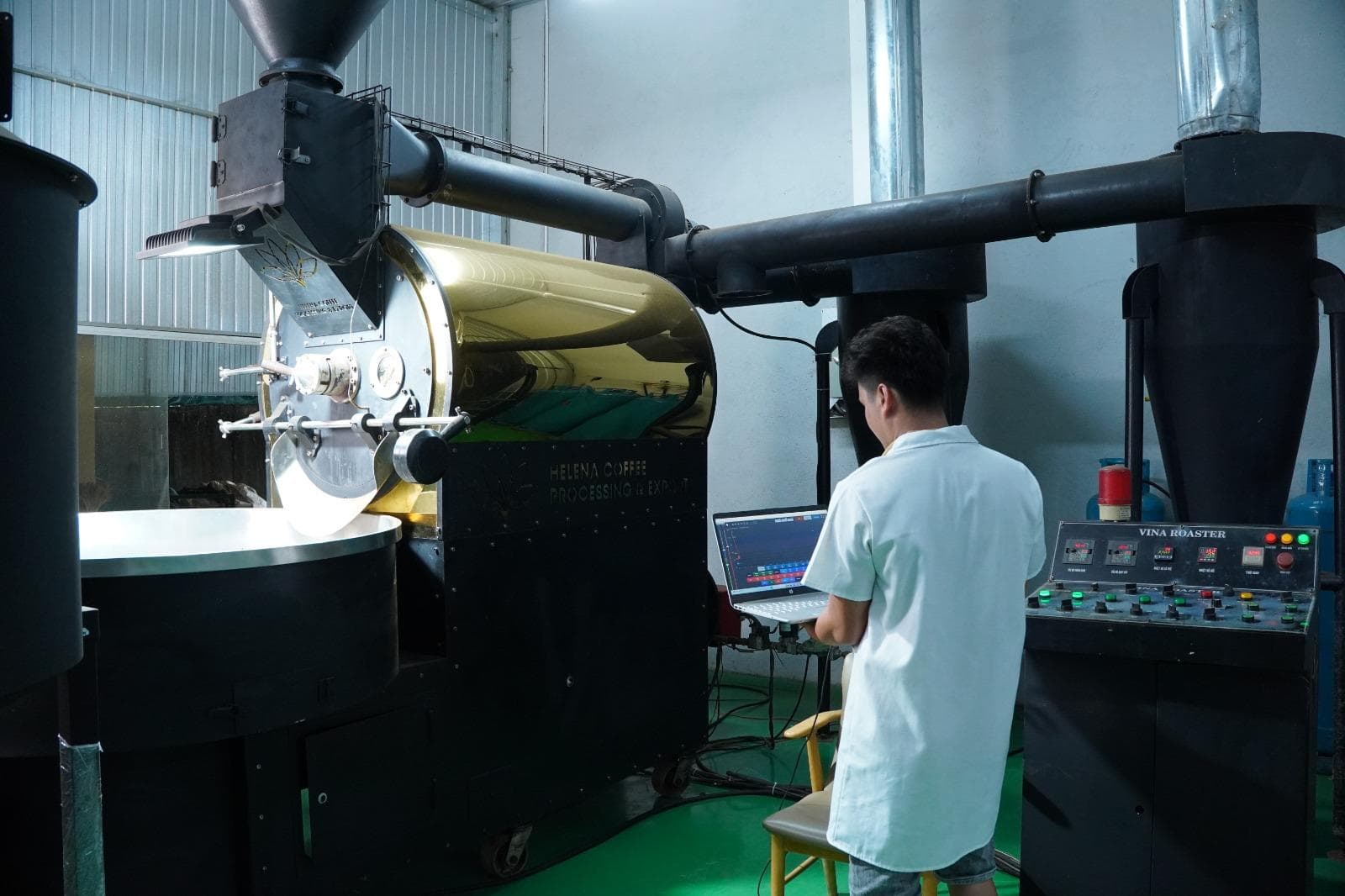
Helena Coffee Vietnam
Helena Coffee Vietnam is one of the most renowned coffee producers in the Đắk Lắk region, the heart of Vietnamese coffee cultivation. With state-of-the-art sorting technology, experienced roasters, and rigorous quality control, they deliver beans that meet international standards.
More about usTaste and aroma
Arabica is considered the milder, more aromatic species: fruity and floral notes, noticeable acidity, an overall lighter character. That's why Arabica dominates classic filter coffee and espresso in Europe.
Robusta tastes stronger and more earthy, with a clearly noticeable, slightly bitter edge and less acidity. Instead of fruity, it's often described as nutty or chocolatey, with a fuller body. That strength is exactly why Robusta works so well for Vietnamese Phin-filter brewing: it holds its own against plenty of ice and sweetened condensed milk without getting lost.
Caffeine content
Robusta contains roughly twice the caffeine of Arabica, typically around 2.2 to 2.7% versus 1.2 to 1.5% for Arabica. That's not a coincidence: caffeine acts as a natural pest deterrent for the plant, and since Robusta originally grew in regions with more insect pressure, it evolved to produce more of it. In practice that simply means a cup of Cà Phê Đen made from 100% Robusta hits noticeably harder than a comparable Arabica coffee.
Which one is right for you?
For the classic, strong Vietnamese coffee styles like Cà Phê Đen or Cà Phê Sữa Đá, pure Robusta brewed with a Phin filter is the way to go. If you prefer something milder and more aromatic, reach for 100% Arabica, for example as the base for Cà Phê Trứng, Hanoi's egg coffee, where the sweetness of the egg-yolk cream pairs better with a gentler coffee. And if you can't decide, a blend is a safe bet: a mix of 80% Robusta and 20% Arabica combines strength and aroma, and it's the most common way coffee is actually drunk in Vietnam itself.
We recommend
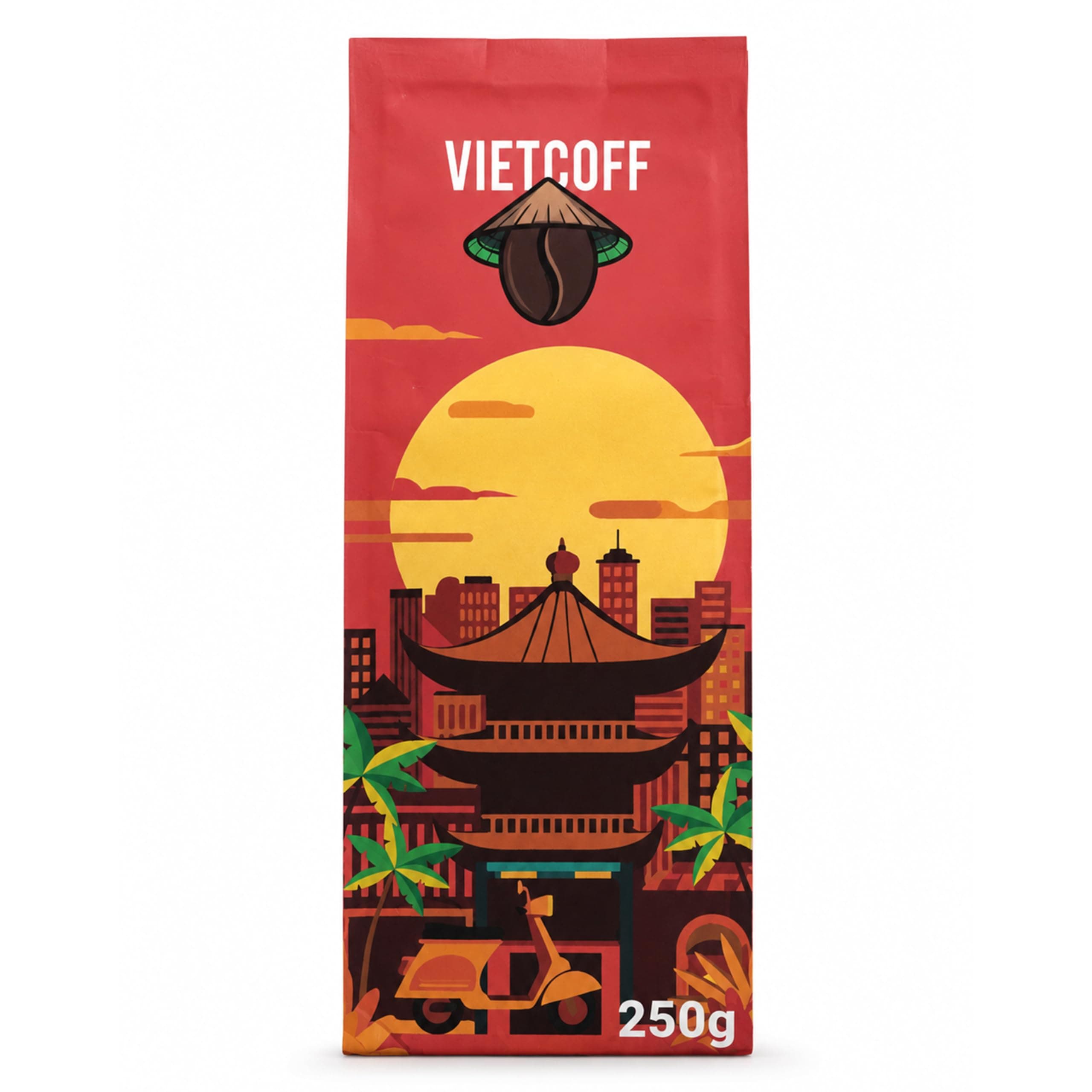
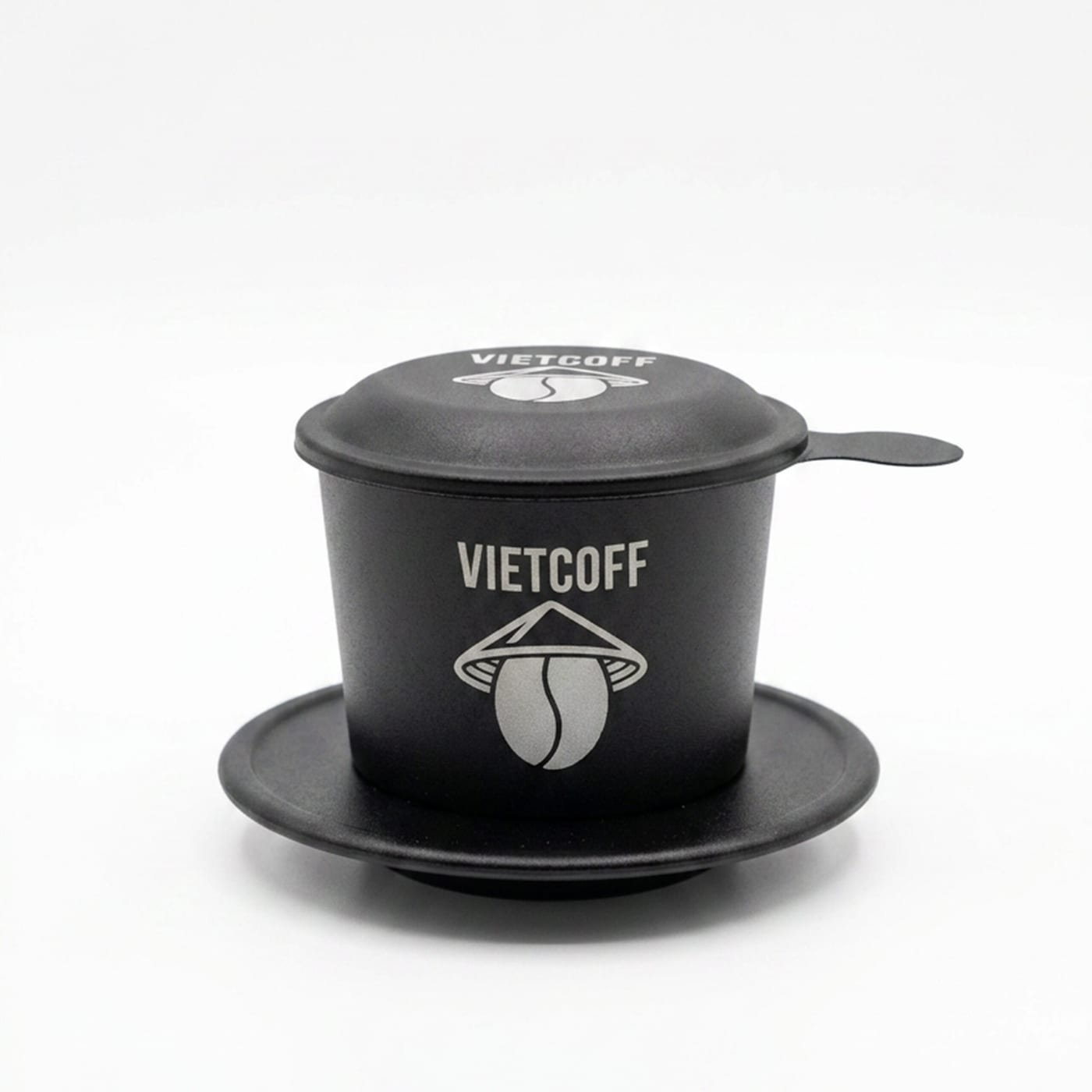
The best way to really taste the difference is a side-by-side comparison: pure Robusta against a blend, both brewed the same way in a Phin filter. The method stays identical, only the character in the cup changes.